
Introduction:
Raspberry farming in India is gaining momentum, but we look as the global scenario global raspberry production has almost doubled in decade, Raspberry farming is one of the highly profitable farming business. there is this huge demand and supply gap because of which raspberries fetch premium pricing in Indian markets, Now due to availability of heat tolerant raspberry varieties farmers can grow raspberry plants in India's Tropical and subtropical climatic conditions.
Climatic Conditions Required for Raspberry Farming.
Raspberries adapt to very varied climates because they are quite resistant to cold winters and high summer temperatures. Various varieties requires a specific duration of winter dormancy to satisfy its "cold needs". among the all raspberry variety raspberry variety Kokanee has lowest cold need , which makes this variety suitable for Indian growers for commercial cultivation. Although raspberry plants can tolerate high temperatures for optimal production temperature range of 15 °C and 22 °C is considered ideal.
In areas with very hot summers, the raspberry plant grows perfectly, but the fruit can be seriously damaged, losing organoleptic quality and softening significantly. In these hot regions, growers typically use a plastic greenhouse cover and a 50% shading mesh to regulate daytime and nighttime temperature variations. Even though raspberry farming can be done in both soil and substrate based cultivation setup, for most of the commercial cultivation substrate based cultivation is preferred as it gives more control over the root zone for the aeration , moisture, EC, media pH etc.
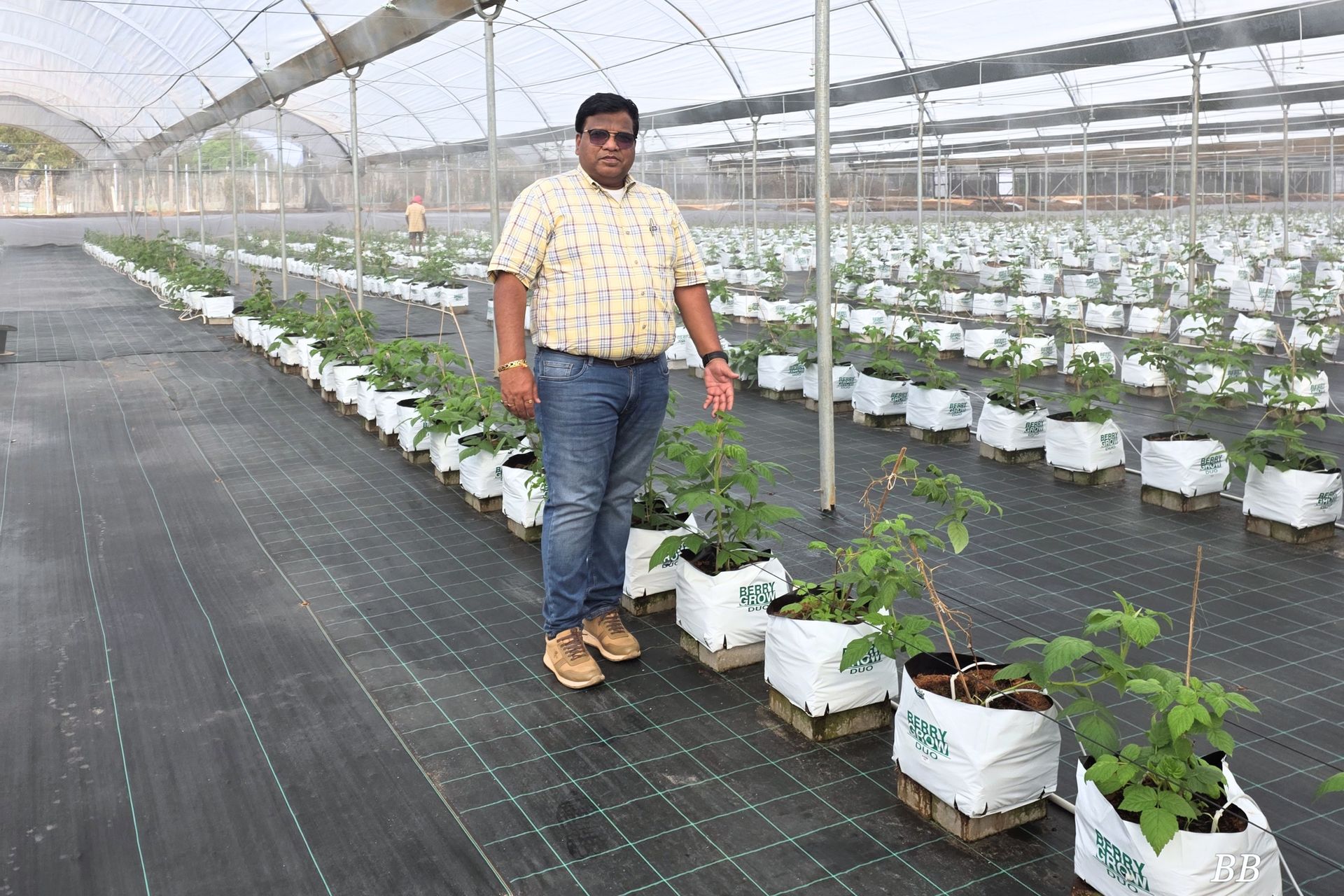
Raspberries cab ne grown in India , and it is already grown in various regions of Maharashtra, Uttarakhand, Karnataka and many other states.
Choosing the Right Raspberry Varieties
Selecting the right raspberry variety for your region's climatic conditions is crucial. Choosing the wrong variety can lead to poor fruit quality, irregular shapes and sizes, inconsistent production, or even a complete lack of yield—resulting in heavy financial losses. Ultimately, variety selection directly determines the success or failure of your farm. That is why expert guidance is essential. At Cal Pacific Agri Solutions, we help growers select the right cultivar for their local climate, ensuring profitability right from the start.
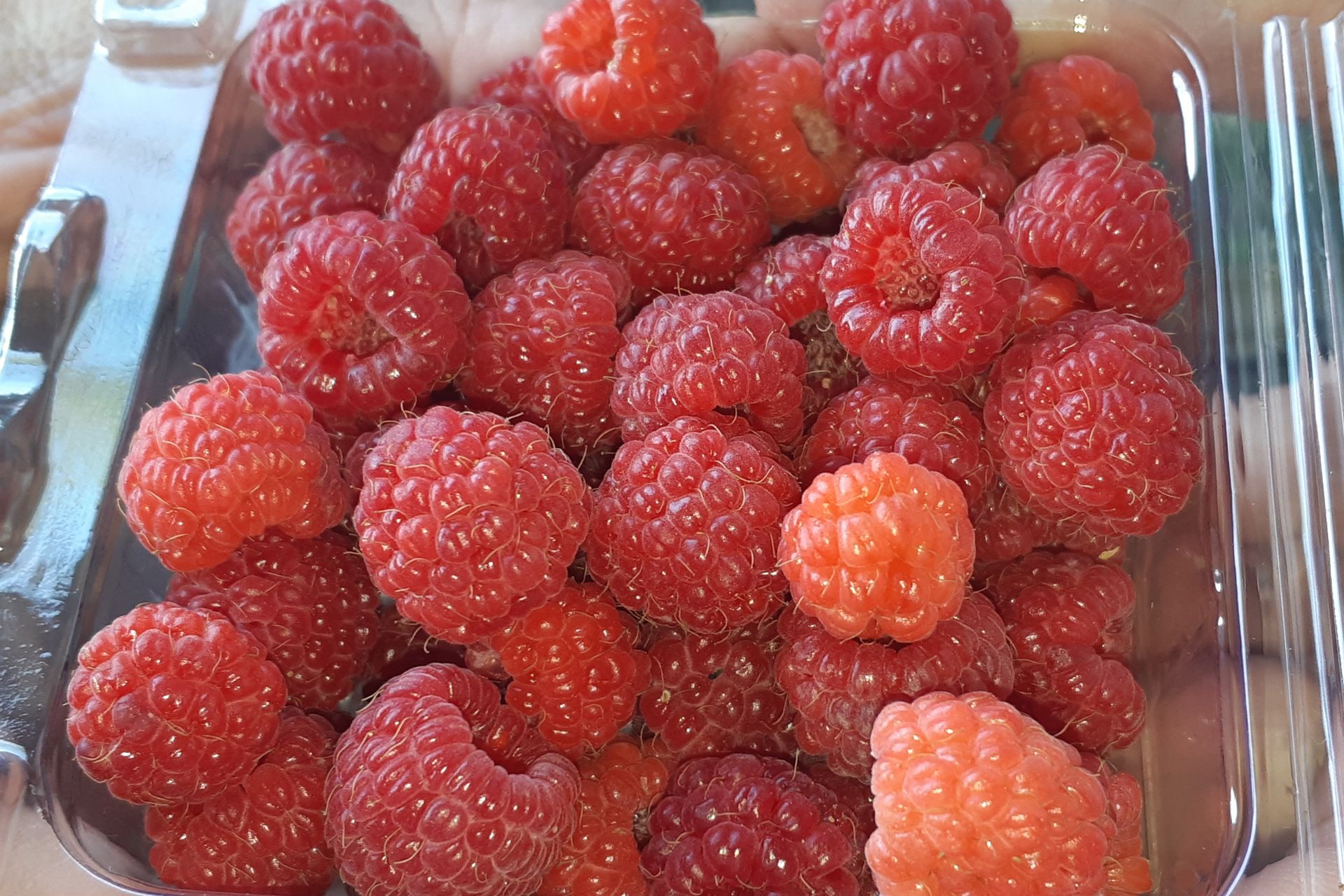
Kokanee is one of the highly suitable raspberry variety for Indian Climatic conditions as this variety has already proven it's suitability on various commercial scale cultivation projects.
Variety Attributes:
- Primocane fruiting
- Excellent flavor across a wide range of ripeness
- Bright, light red and glossy color
- Uniformly well-shaped, medium to large berries
- High yielding
- Great firmness
- Very good shelf life and transportability
- Vigorous, upright plant habit
- Robust plant health
How to Grow Raspberries in India?
For raspberry cultivation in India, selecting a variety that can tolerate the country’s diverse and often harsh climatic conditions is critical. Among available options, the primocane raspberry variety Kokanee has demonstrated strong adaptability and has been successfully used in several commercial cultivation projects across India.
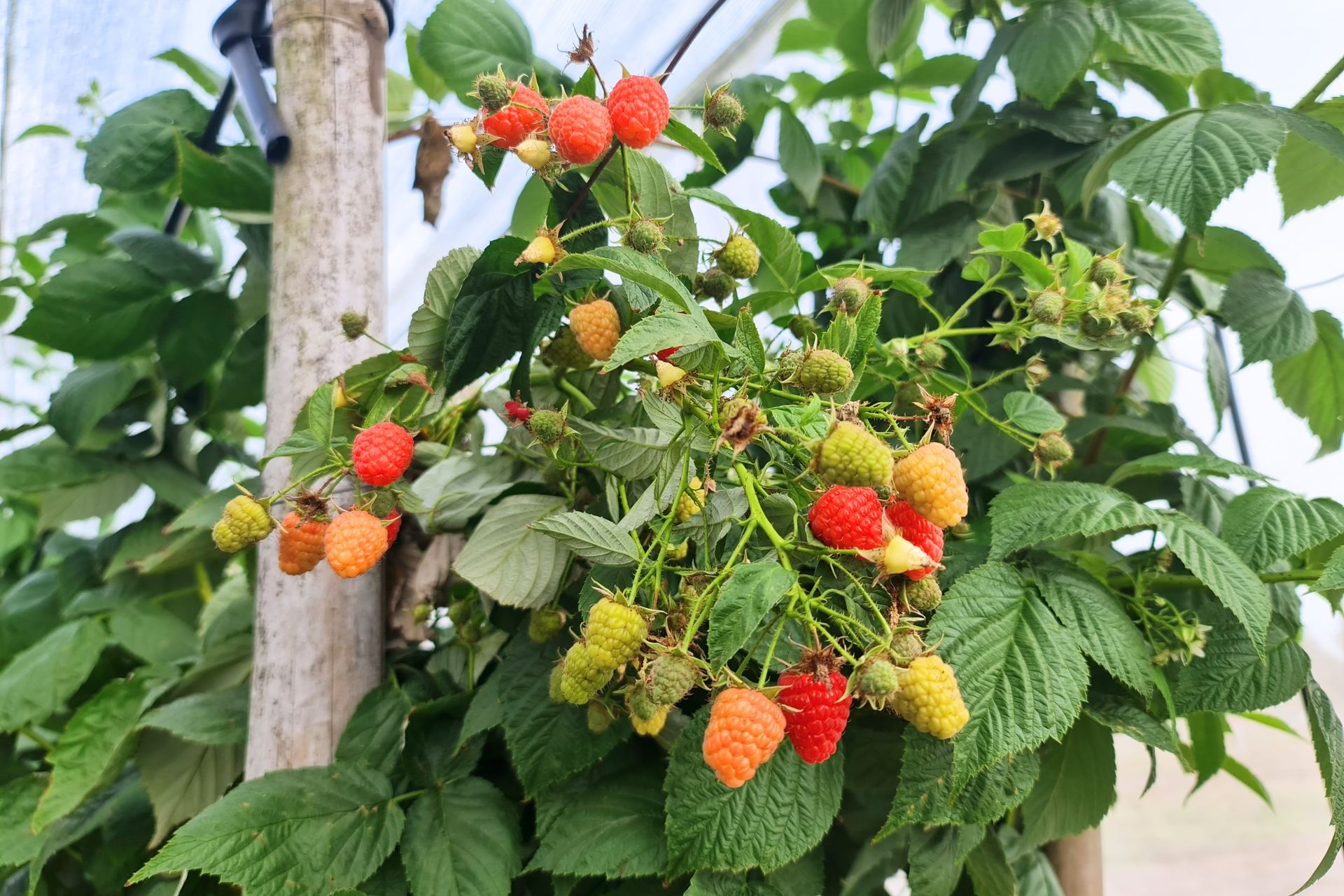
Commercial raspberry farming is often integrated with other berries such as blueberries and strawberries to form a diversified “berry basket” system, enabling more stable and continuous revenue generation throughout the year.
Raspberry plants are vigorous growers and can produce high yields with strong market demand and attractive pricing. In India, commercial cultivation is typically carried out in grow bags under protected cultivation systems, which allow precise control over the microclimate and significantly improve plant performance and fruit quality.
Crop Management Practices
Optimizing your raspberry farming success relies on three critical crop management pillars: balanced nutrition, strategic pruning, and vigilant pest and disease control. Nutrient management must be highly precise; raspberries require tailored applications of macronutrients like nitrogen, phosphorus, and potassium, alongside vital microelements such as boron (essential for pollen tube growth and avoiding crumbly fruit) and zinc.
To regulate yield and maintain canopy ventilation, balanced pruning is absolutely essential to remove second-year lignified canes and manage vigorous primocanes first-year shoots. This structural openness directly mitigates phytosanitary risks. Grow under protective plastic tunnels to shield the crop against environmental humidity and devastating diseases like Botrytis (gray mold) or Phytophthora root rot. Finally, integrate proactive biological and chemical controls to monitor aggressive pests such as Drosophila suzukii, spider mites, and sap-sucking aphids.
Frequently Asked Questions (FAQ)
1.Can we grow raspberry in India?
Ans: Yes. Raspberry can be grown in India, using suitable varieties like primocane types such as Kokanee.
2. Which is the best raspberry variety for Indian Climatic Conditions?
And: Primocane raspberry variety Kokanee is the most suitable for Indian climatic conditions