
Introduction
Strawberries are highly perishable fruits with delicate skin, making them extremely sensitive to handling and storage conditions. Proper post-harvest management is essential to maintain their freshness, quality, and market value.
Immediately after harvest, strawberries must be cooled to remove field heat and should never be allowed to rewarm. Even under ideal storage conditions, strawberries have a short shelf life and typically cannot be stored for more than 5 to 7 days. For optimal preservation, they should be maintained at a temperature of 0–1°C
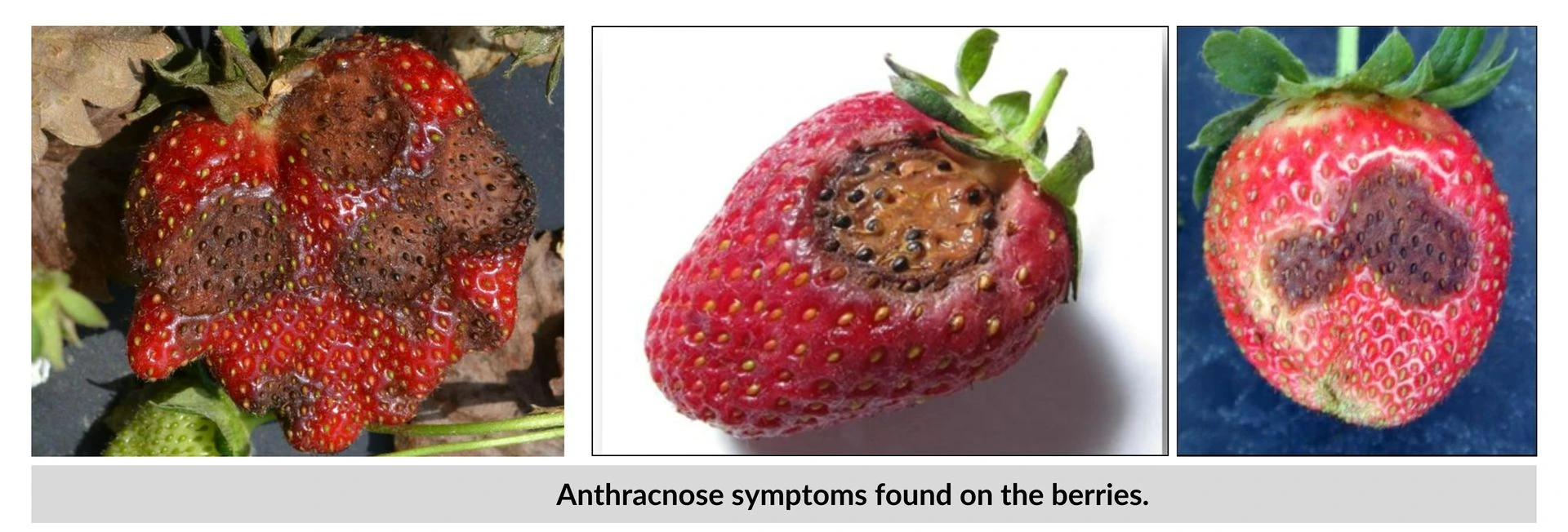
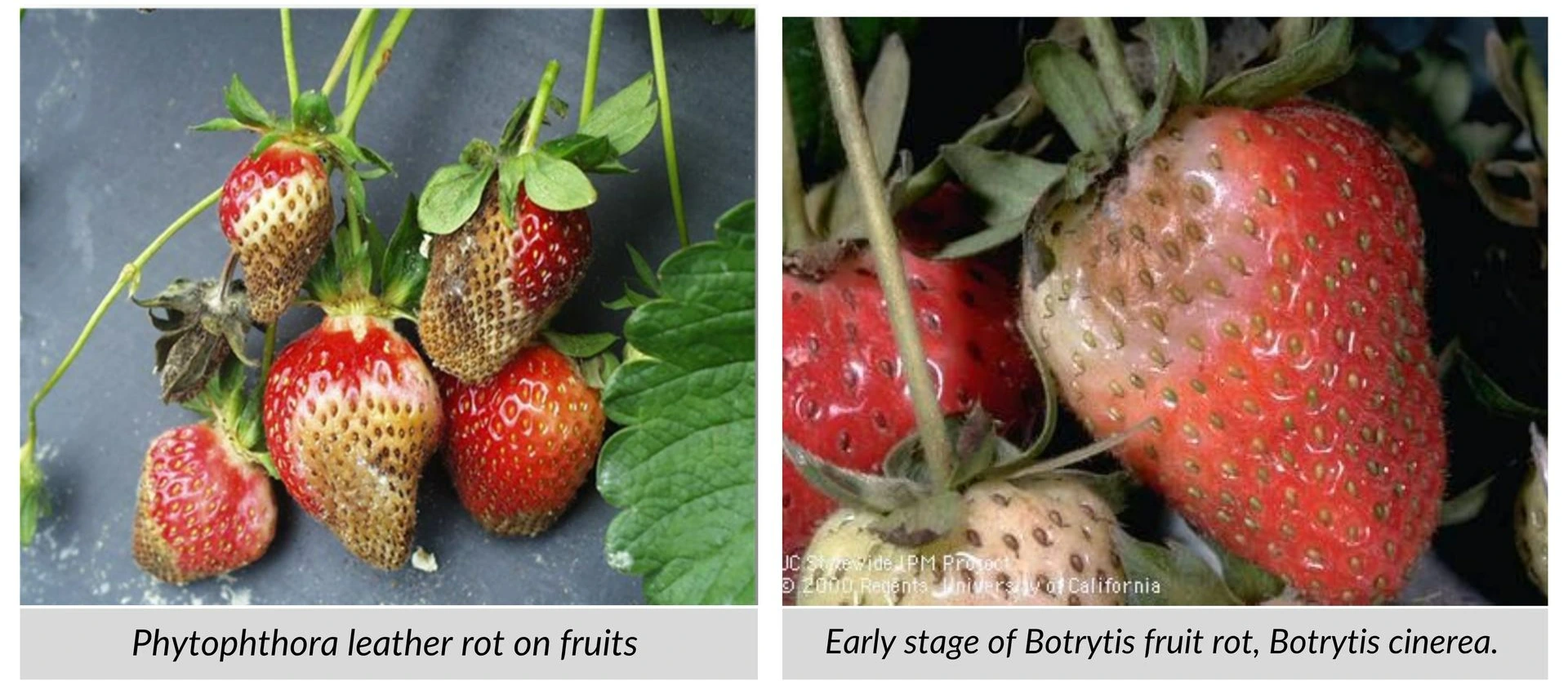
Strawberries are highly susceptible to fungal infections after harvest, especially when exposed to improper handling, high humidity, or temperature fluctuations. The most common post-harvest diseases include anthracnose, leather rot, and botrytis fruit rot (gray mold).
Harvesting Practices
Careful harvesting is the first step in reducing post-harvest losses.
Fruits should be gently plucked with the green calyx (cap) intact to maintain freshness and reduce decay.
Avoid pulling, squeezing, or rough handling, as strawberries bruise easily.
Use small plastic trays or shallow baskets lined with soft material to prevent mechanical injury.
Strawberries are ready for harvest when 50–75% of the surface develops a uniform crimson-red color.
Harvesting should be carried out early in the morning when temperatures are lower. Exposure to direct sunlight must be avoided, and harvested fruits should be immediately placed in shade or transferred to temperature-controlled transport.
Immediate Post-Harvest Handling
Rapid removal of field heat is critical to preserving strawberry quality.
Fruits should be cooled to 4°C or lower within 2–3 hours after harvest.
Forced-air cooling is the most effective method for this purpose.
If proper cooling is not applied, the heat generated from natural respiration can quickly deteriorate the fruit, leading to significant quality loss.
Modified Atmosphere Packaging (MAP)
Modified Atmosphere Packaging is an effective technique to extend the shelf life of strawberries.
The main objectives of MAP are:
Slowing down respiration
Reducing fungal growth, especially Botrytis cinerea
Maintaining quality during storage and transportation
By increasing carbon dioxide (CO₂) levels and reducing oxygen (O₂), the storage environment can be optimized. Typically:
CO₂ levels of 15–20% are used
Suitable for short-term storage (up to 2–3 weeks at 0–1°C)
Particularly useful during 4–5 day transportation periods
Care must be taken to avoid anaerobic conditions, which can damage the fruit.
Storage Conditions
Component | Fresh | Frozen |
Temperature | 0°C | -18 °C |
Relative Humidity or Packaging | 90-95% | Vapor-proof packaging |
Postharvest Life | 5-7 Days | 14-18 months |
Freezing Point | (-0.8°C) |
Packaging and Transportation
General Guidelines
Always use clean, food-grade containers to prevent contamination.
Keep separate containers and tools for diseased or rejected fruits.
Handle fruits gently throughout packing and transport.
Grading of Fruits
Strawberries are graded based on quality before packaging:
First Quality: Packed in plastic punnets or cardboard boxes for premium markets
Second Quality: Packed in baskets for local or short-distance markets
Packaging System
In strawberries some general guidelines for the grading which are followed are as follows;
Sr. No | Grade | Fruit Weight (gm) |
1 | Jumbo | >35 |
2 | First | 25-35 |
3 | Second | 15-25 |
4 | Third | <15 |
Proper packaging is crucial for maintaining quality and ensuring safe transport.
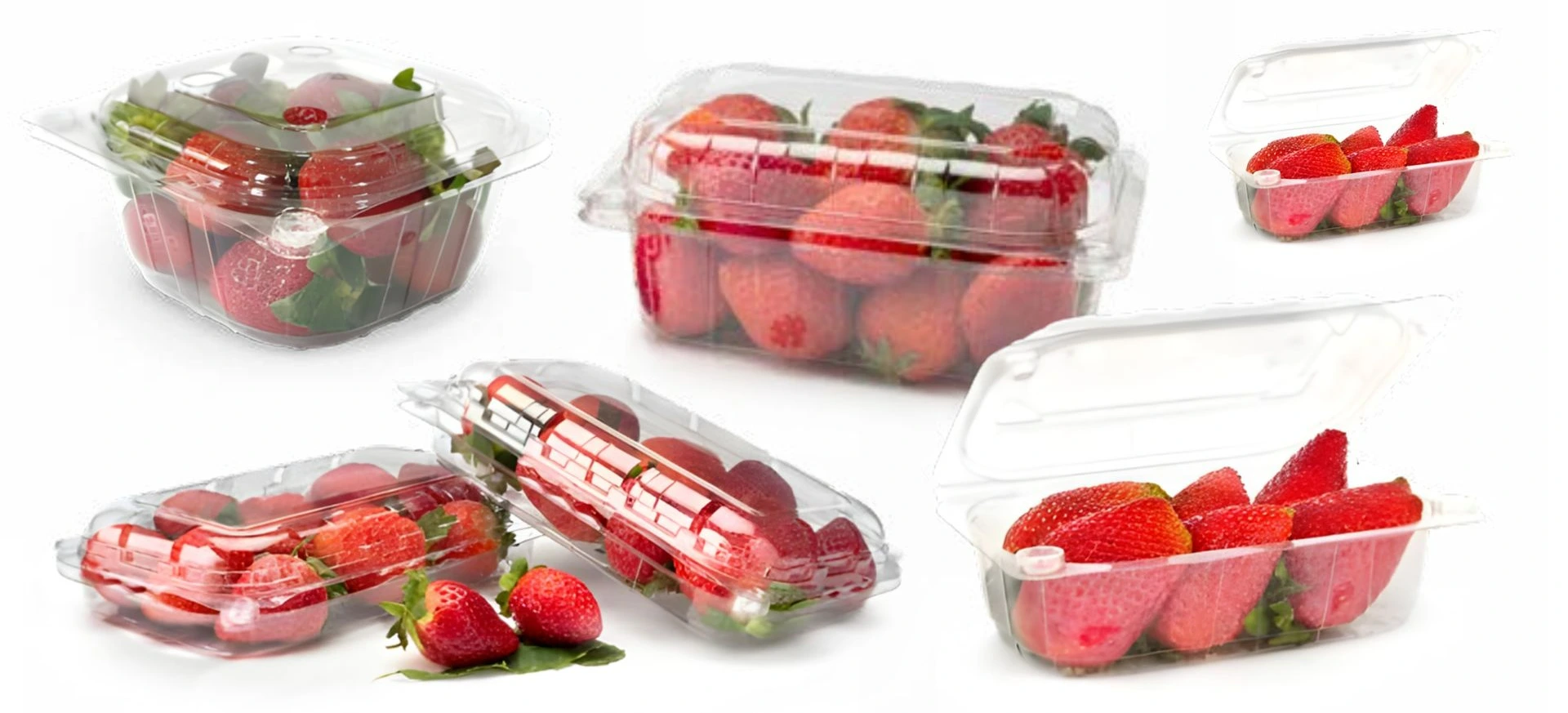
Various Packaging Sizes of Punnets e.g 240 gm.250 gm, 500 gm
Strawberries are packed in 250 g or 500 g punnets (square or oval).
8 punnets are placed in one corrugated tray (approx. 2 kg capacity).
7 trays are then packed into a corrugated master box (approx. 14 kg).
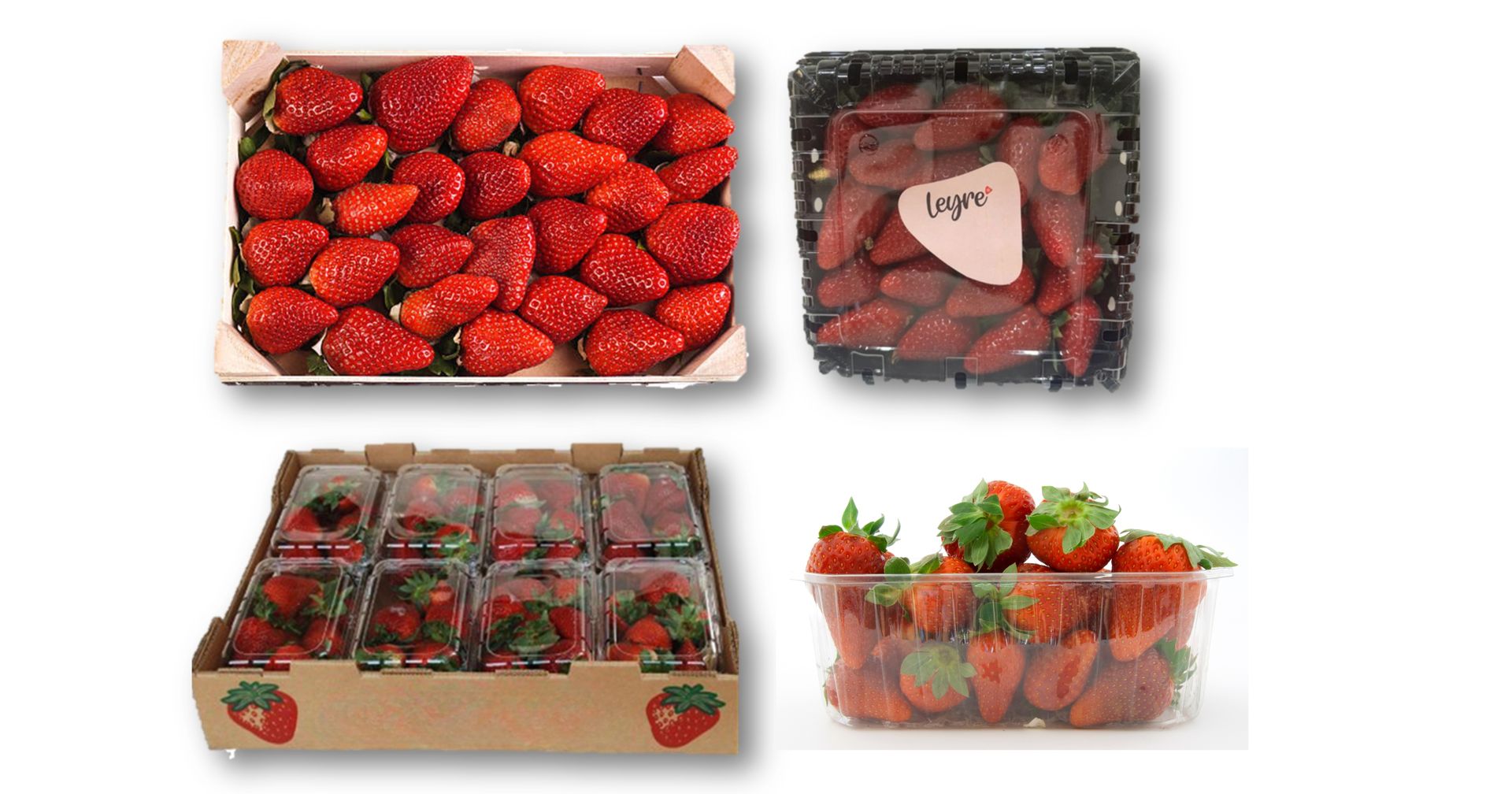
Additional packaging considerations:
Use perforated cardboard cartons for ventilation
Provide cushioning (such as paper cuttings) to prevent damage
Select packaging based on market distance and consumer requirements\
Conclusion
Effective post-harvest management of strawberries requires careful attention at every stage, from harvesting to storage and transportation. Rapid cooling, proper handling, controlled storage conditions, and suitable packaging all play a critical role in preserving fruit quality.